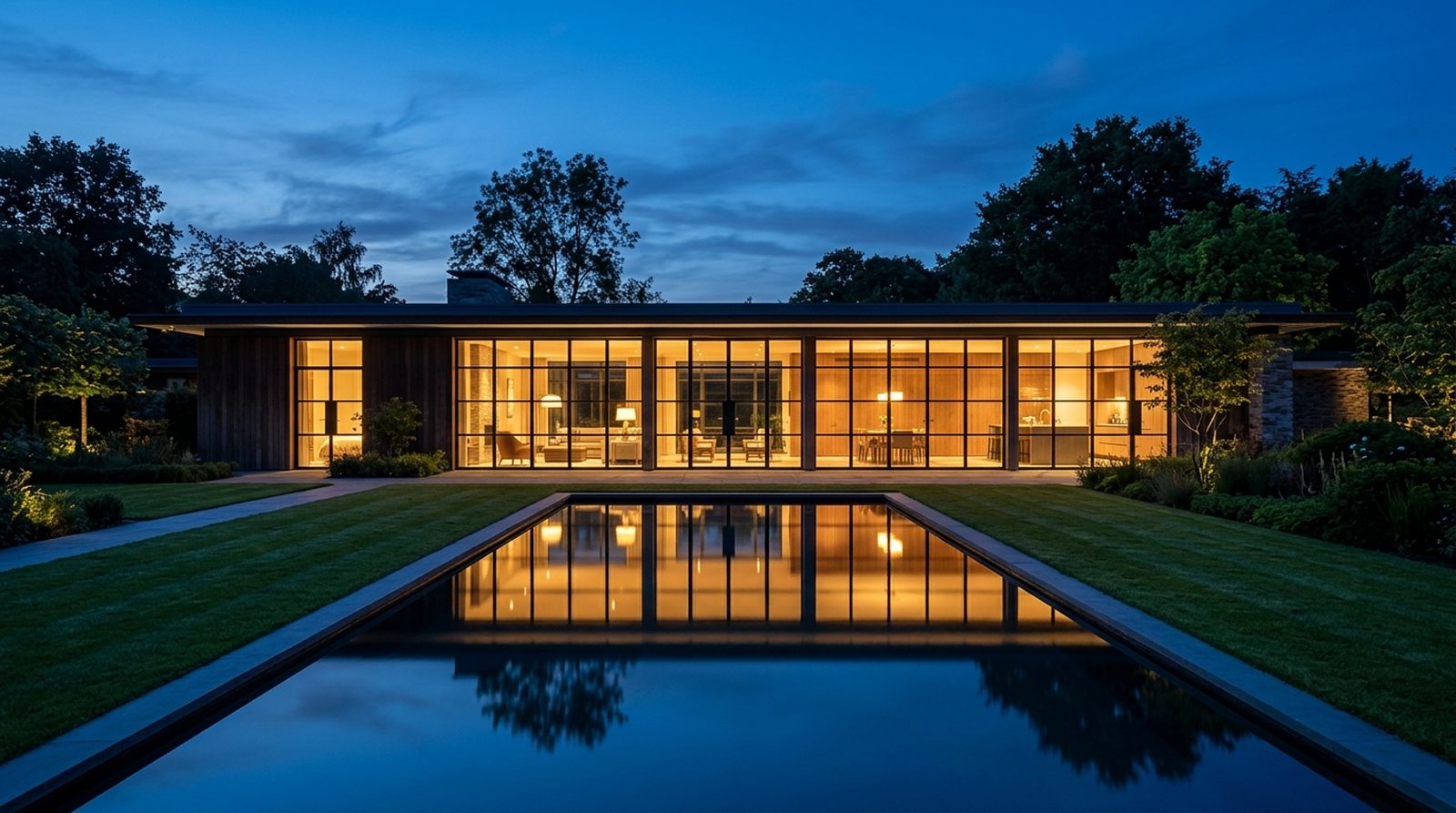
New windows and doors that leave the whole house warmer to sit in, softer against the street, and bright from the first hour of the day. Each one is measured to your openings, built to fit, and set clean, with the old units hauled away the same afternoon.
Concept study for a fictional company. Every figure on this page is illustrative.
Four ways to open a wall, each suited to a different room, view, and way of living. Whatever you choose is made to your opening, not trimmed to fit something off a shelf.

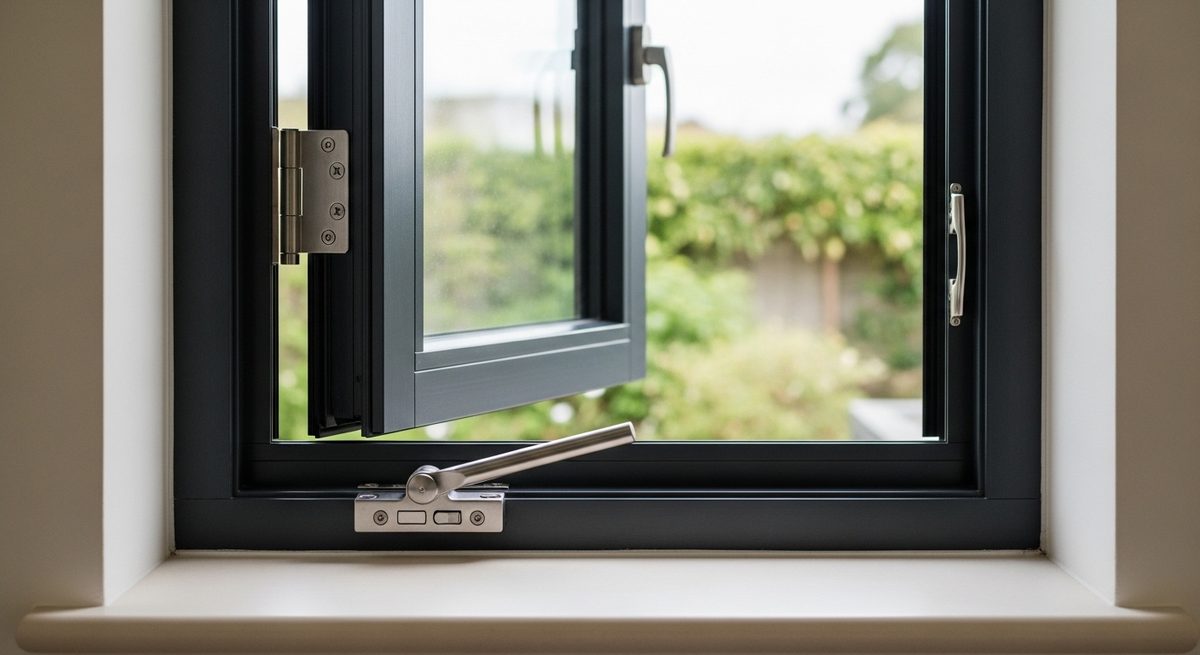
Side-hinged and crank-operated for a full, unobstructed opening and a compression seal that tightens as it closes.

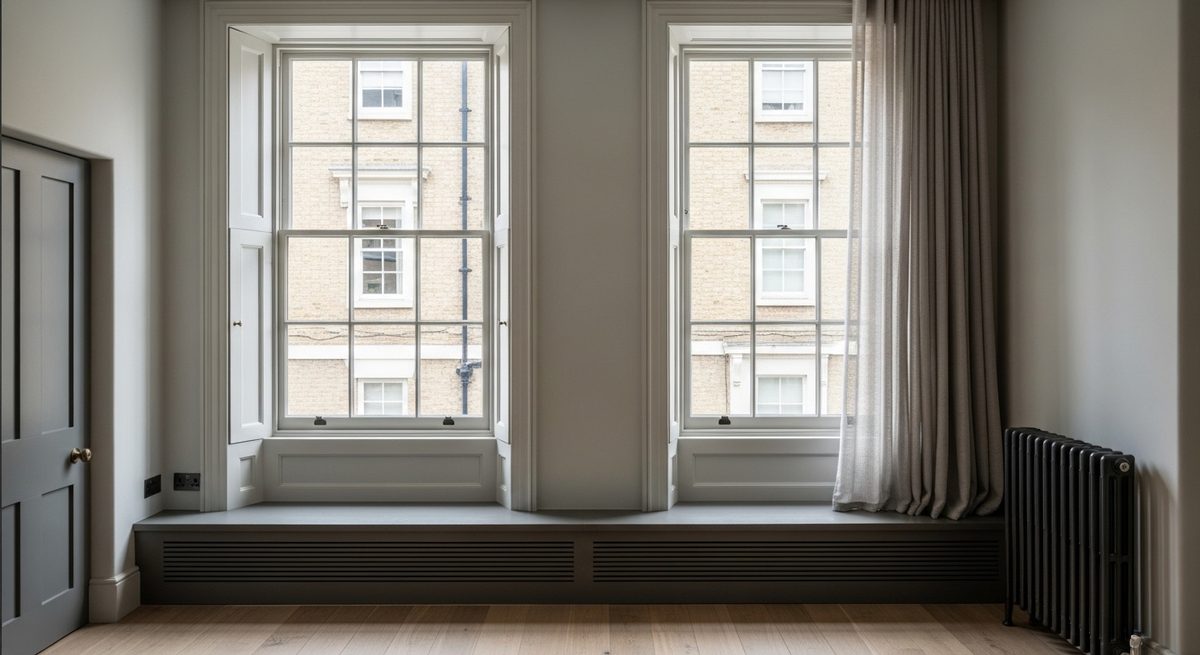
Two operable sashes that tilt in for cleaning. A classic elevation with modern glass and a hidden balance system.

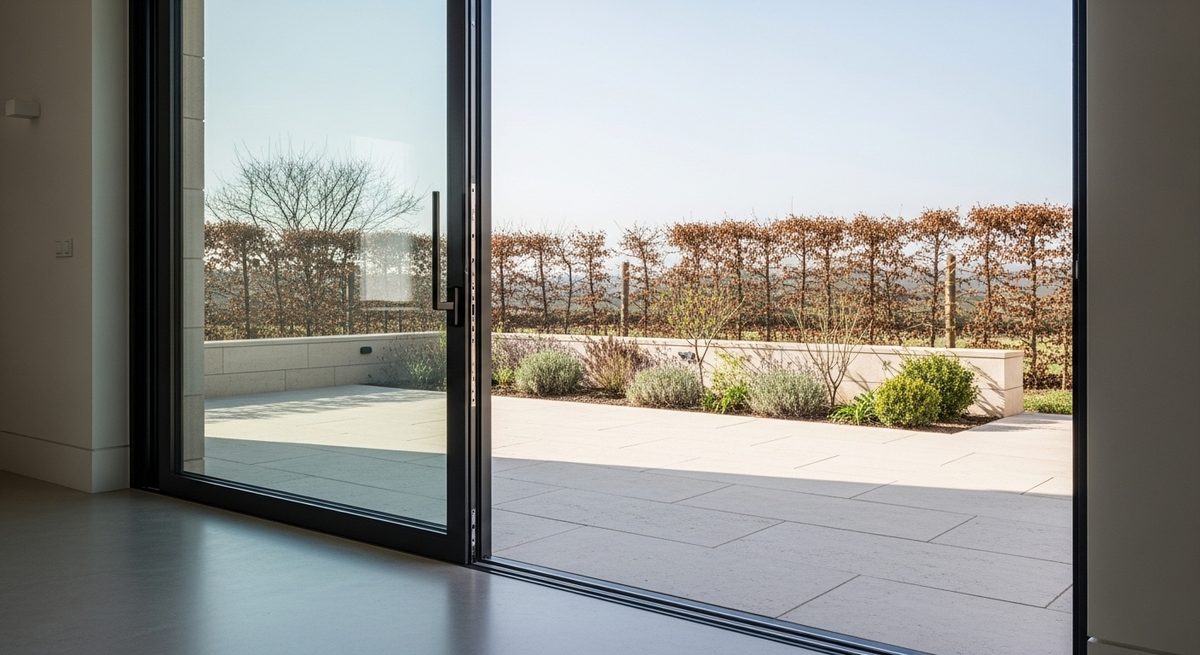
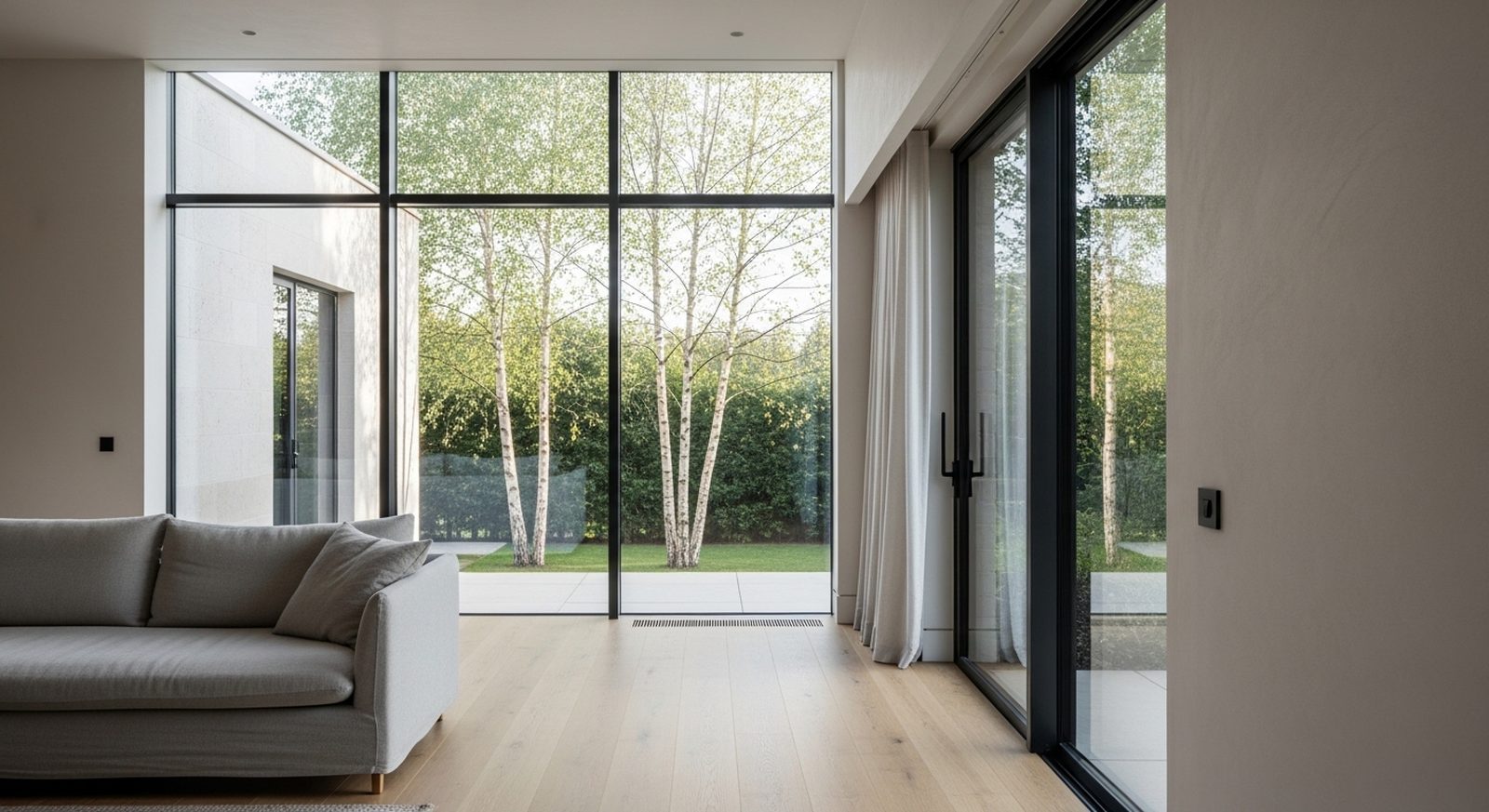
A wide glass wall on stainless rollers. One fixed lite, one gliding panel, and a low sill that reads flush to the floor.

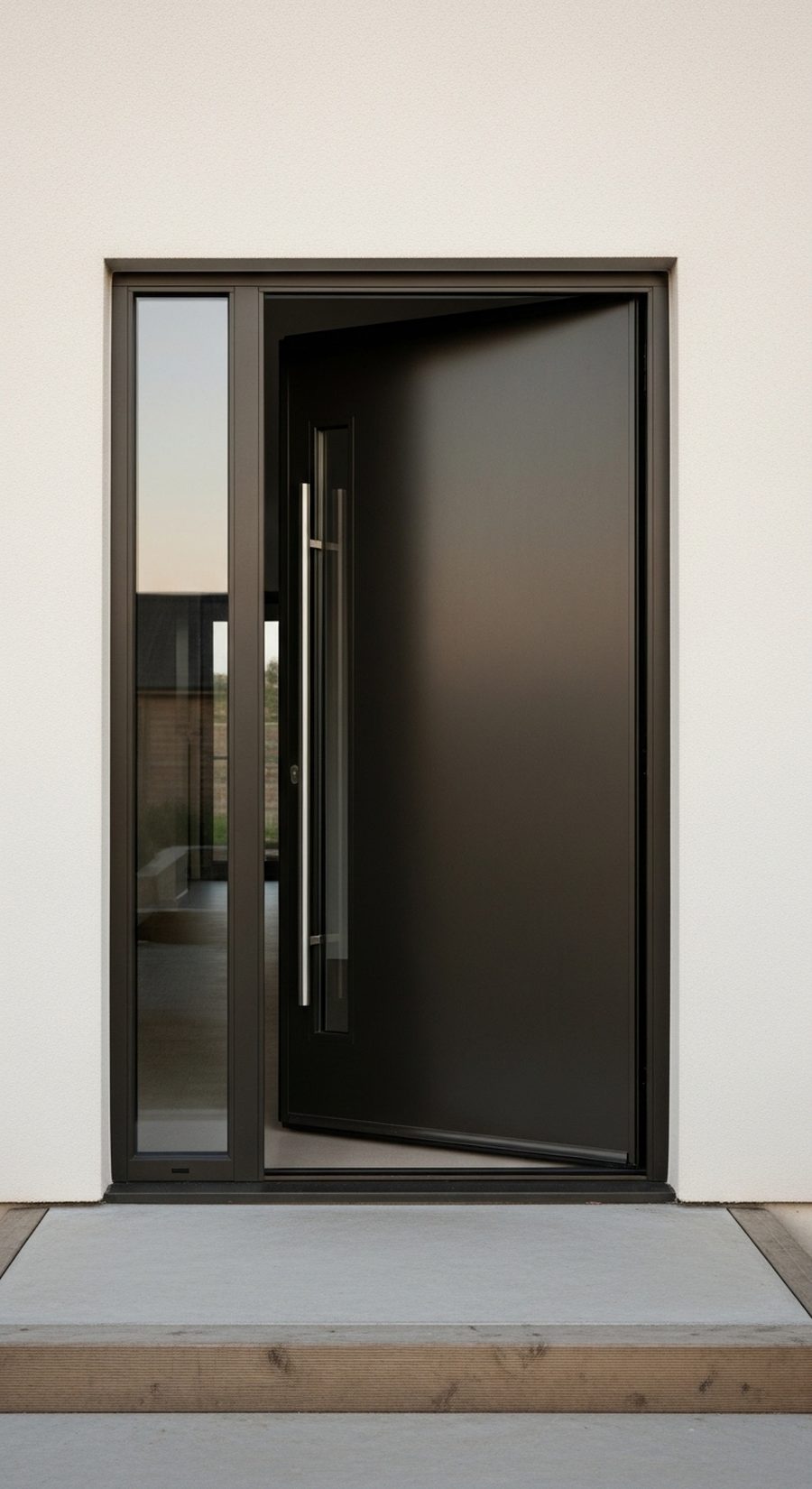
An oversized entry balanced on a floor-and-head pivot. Heavy, silent, and self-centering, with a concealed spindle.
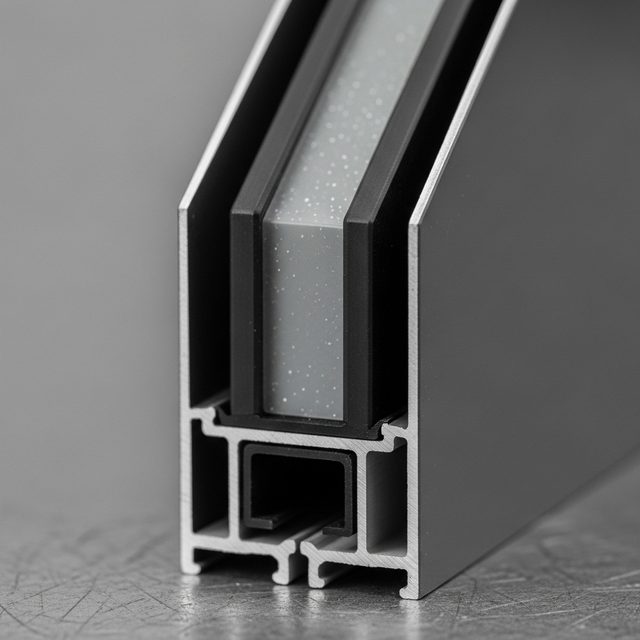
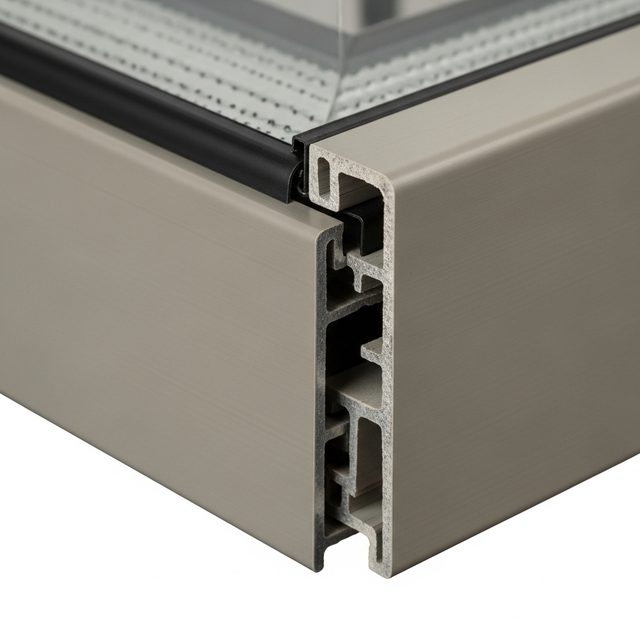
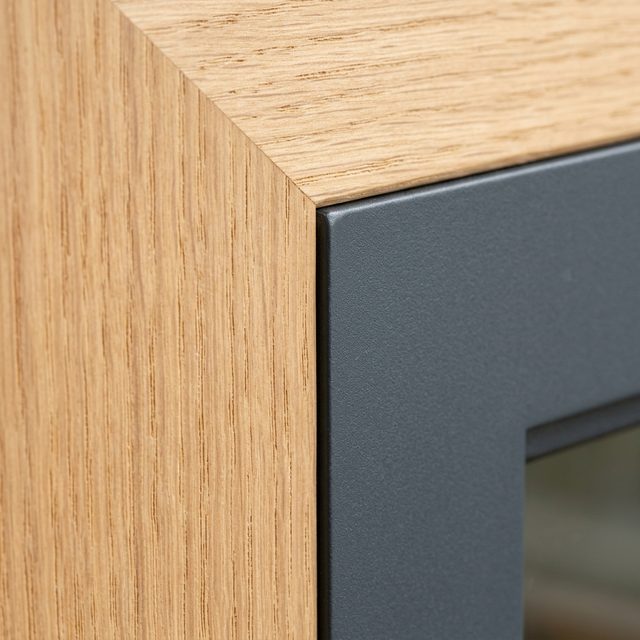
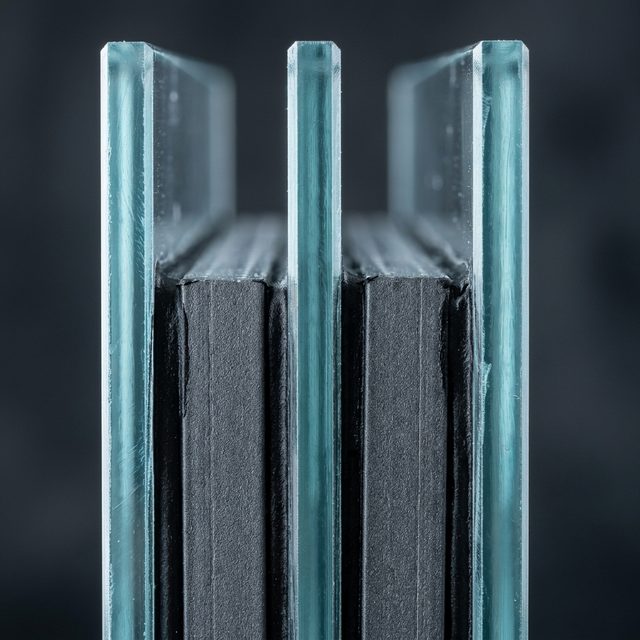
Sightline, heat loss, and how a unit ages all trace back to the profile. We build in three frames and one glass build, and we leave cut samples on your sill.

A polyamide strip splits the profile so cold never crosses the metal. The slimmest sightline we make, and the one big glass needs.

Moves almost exactly as much as the glass it carries, so the seal stays under even load through a full year of heat and frost.

Oiled white oak on the room side, capped aluminum on the weather side. Warm where you touch it, sealed where it rains.

Two or three panes, argon between them, and a warm-edge spacer so the perimeter stops being the coldest strip in the window.
Three packages cover almost every opening. Which one you want depends on the direction the room faces and what sits outside it.
The working default for sheltered and north-facing elevations. Two panes, a soft-coat Low-E surface, argon fill.
For exposed elevations, cold corner rooms, and anywhere a sofa sits a few feet from the glass in January.
Asymmetric panes with a damping interlayer. This is the one to order on a street elevation or under a flight path.
Performance figures are illustrative and written for a fictional company. A real specification would carry certified whole-unit ratings for each size.
A window has to keep the weather out and let the day in, and it has to keep doing both for thirty years.Ines Varga · Technical Director
Better glass is not a luxury line item. It is warmth held in, daylight let in, and street noise kept out, measured on real openings.
These three numbers are illustrative and written for a fictional company. Real gains depend on what is being replaced, how the opening is sealed, and how the rest of the wall performs.
Most of what we do is replacement. The masonry stays where it is, the reveal is rebuilt, and the cold end of the house stops being the cold end of the house.

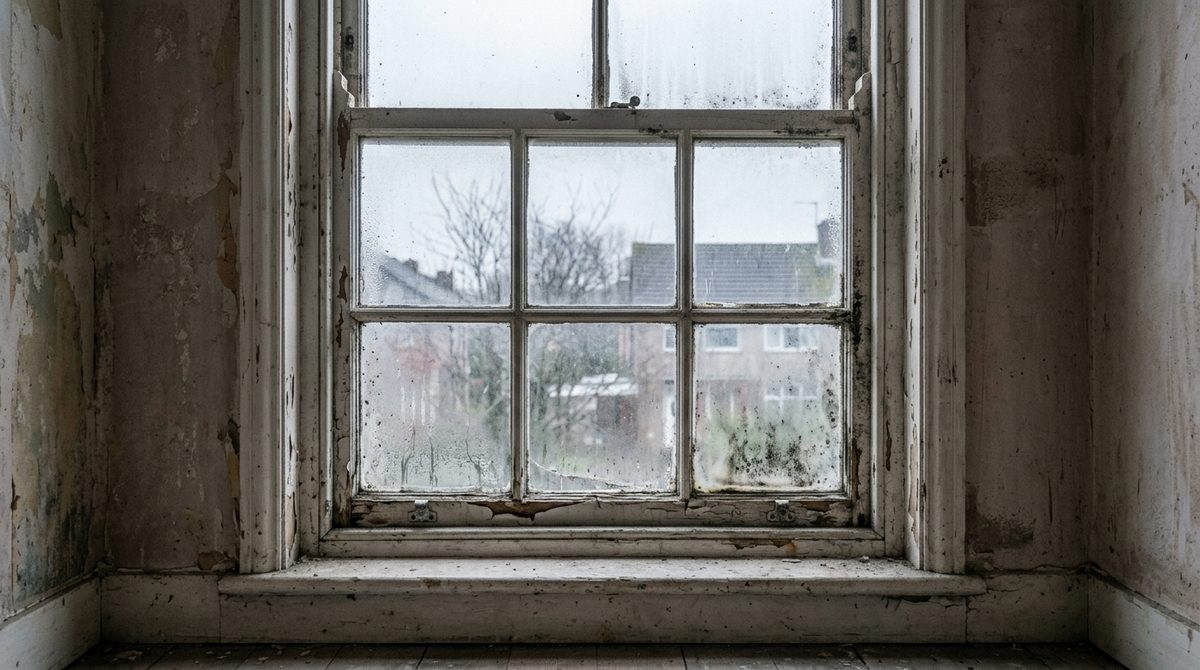
Single glazed, painted shut on one side, and running with condensation every morning from October onward. The putty line had gone soft at the sill.

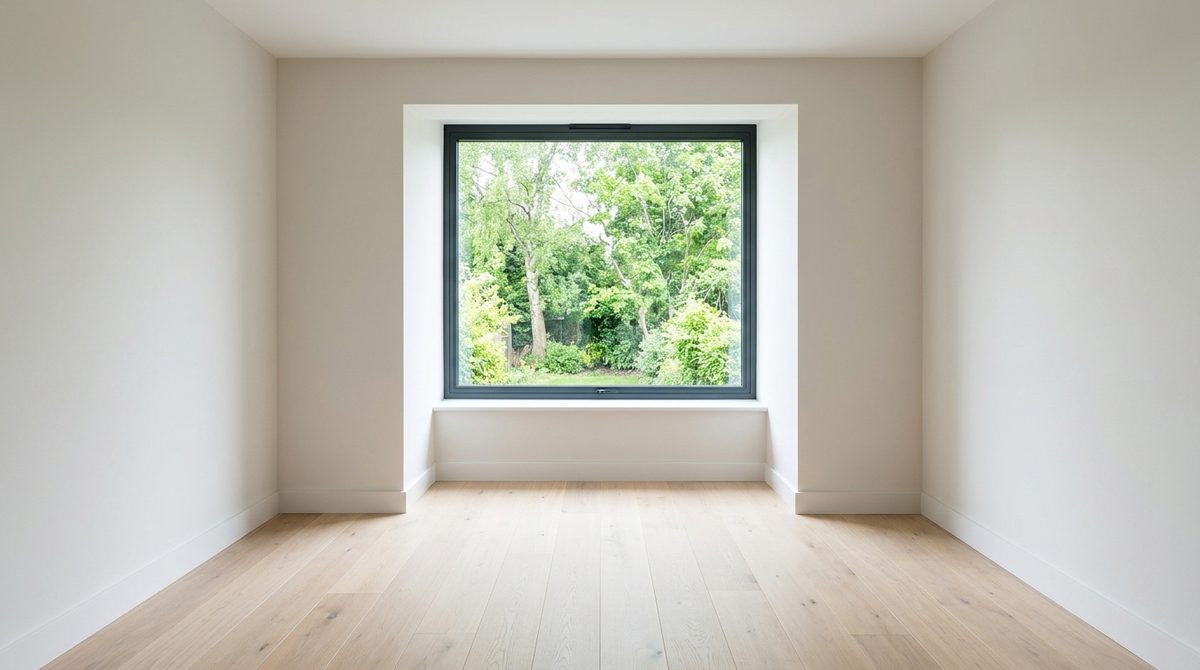
A unit built to the surveyed dimensions, set on packers, taped, insulated, and sealed. The reveal was rebuilt, plastered, and painted the same day.
Illustrative example built for a fictional company. Scope on a real job would follow the survey.
One crew and one accountable timeline, from the first laser reading to the final hinge adjustment.


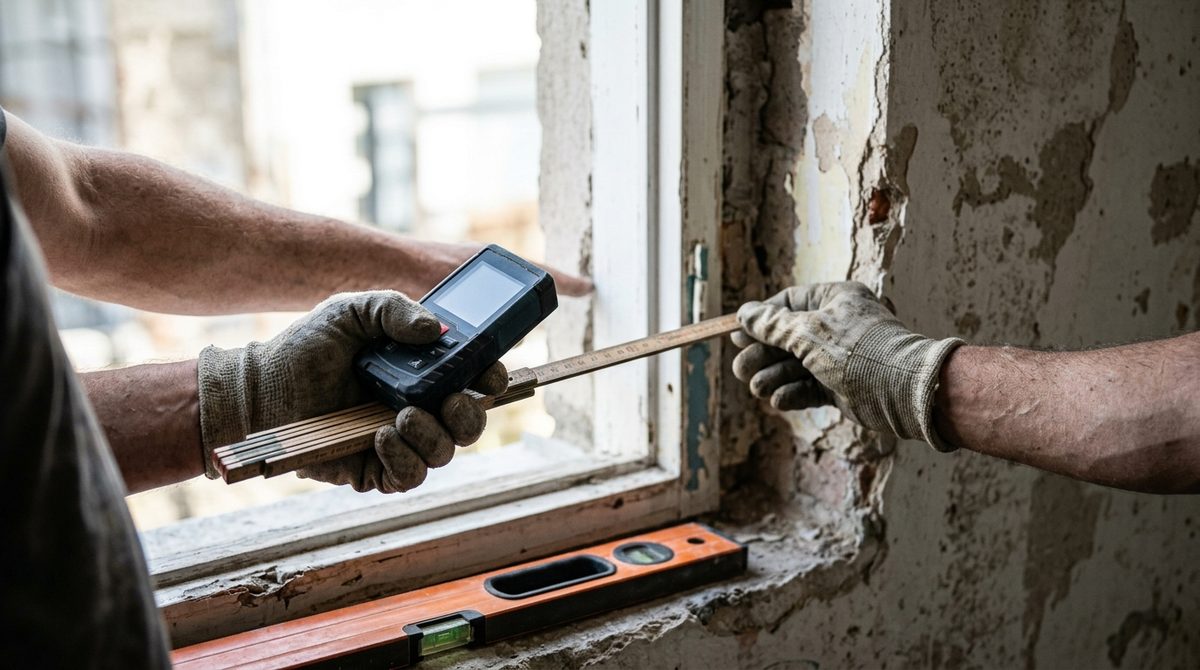
A field technician laser-measures every opening, checks it for square, and logs sill conditions. Nothing is ordered until the numbers are confirmed twice.
Each unit is built to your exact dimensions in the shop, glazed with your chosen package, and pressure-tested before it ever leaves the floor.
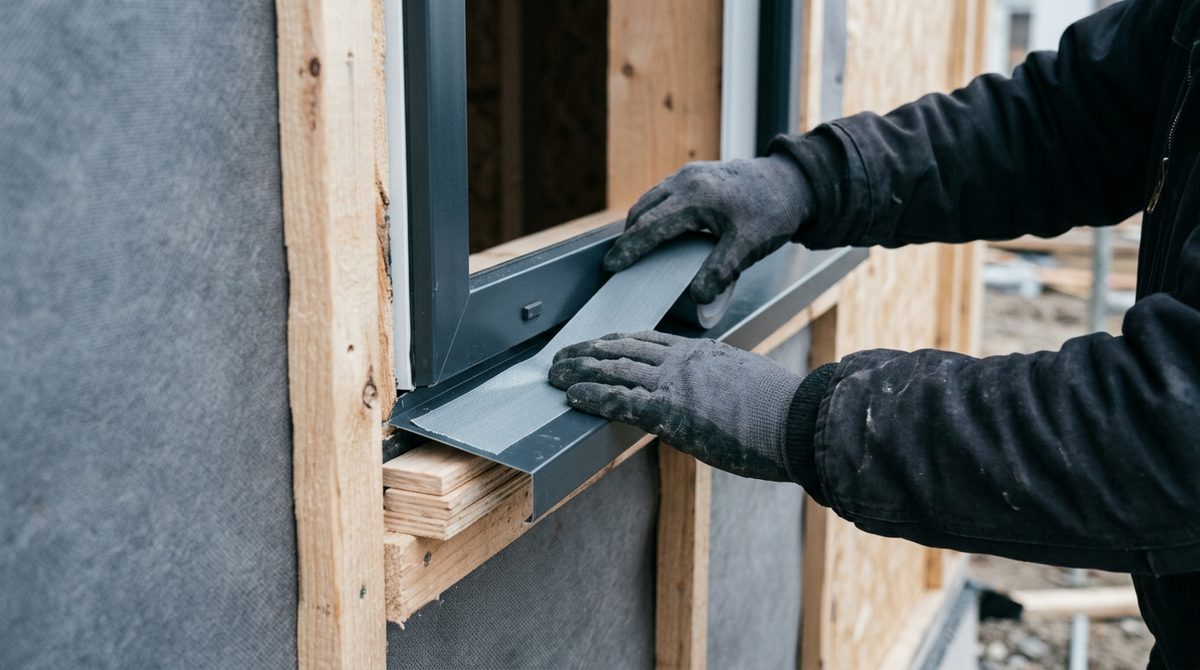
Our own installers set, shim, flash, and seal to spec, then walk every operation with you. The old units and debris leave with the truck.


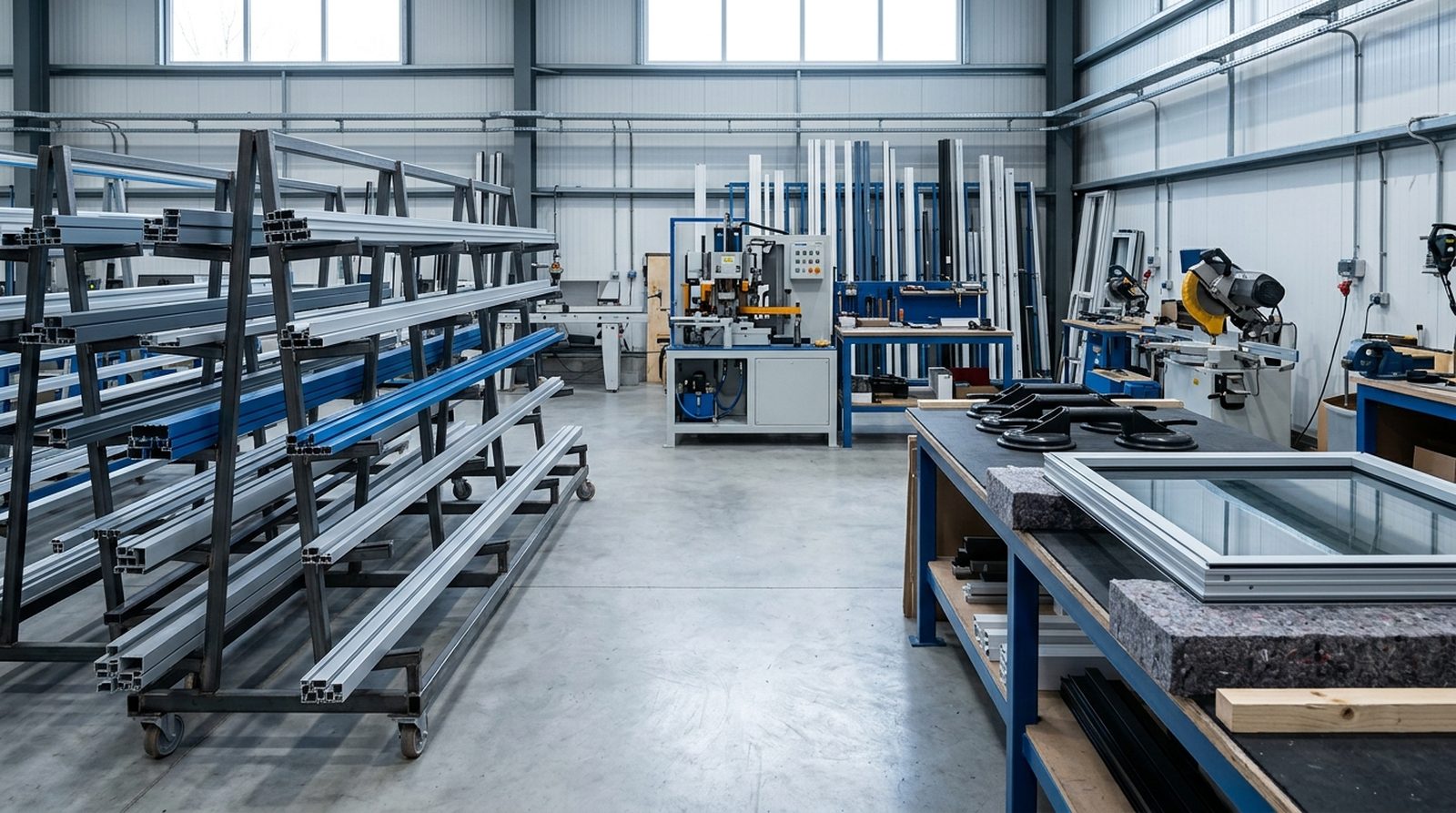
One building on the edge of town. Profiles are cut and crimped, units are glazed on felt, and each one is water tested before it is wrapped for the truck. The number stamped in the frame records the day it was built and the bench it was built on, which is how a warranty claim gets answered in a phone call instead of a form.
Windows are quoted per opening, because that is how they are made and how they are fitted. These are the bands most of our work lands in, supplied and installed.
A casement or double-hung in an existing hole. Supplied, set, flashed, sealed, and the reveals made good before we leave.
Wide glass, heavier units, and usually a lift. Triple glazing, a flush track, and structural checks on the head are all common here.
An oversized leaf, a floor pivot set into the slab, and hardware machined to the door. Lead times run longer than the windows.
Ranges are illustrative and written for a fictional company. A real number would follow a site measure and a chosen glass package, and would exclude structural work, tax, and permits.
Four separate terms, because a sealed unit, a powder coat, a roller, and a bead of sealant do not fail on the same schedule.
Against seal failure, fogging, and condensation forming between the panes. Replaced glazed, not repaired in place.
Against warping, corrosion, and powder-coat failure. Timber-clad interiors carry a ten-year term on the finish.
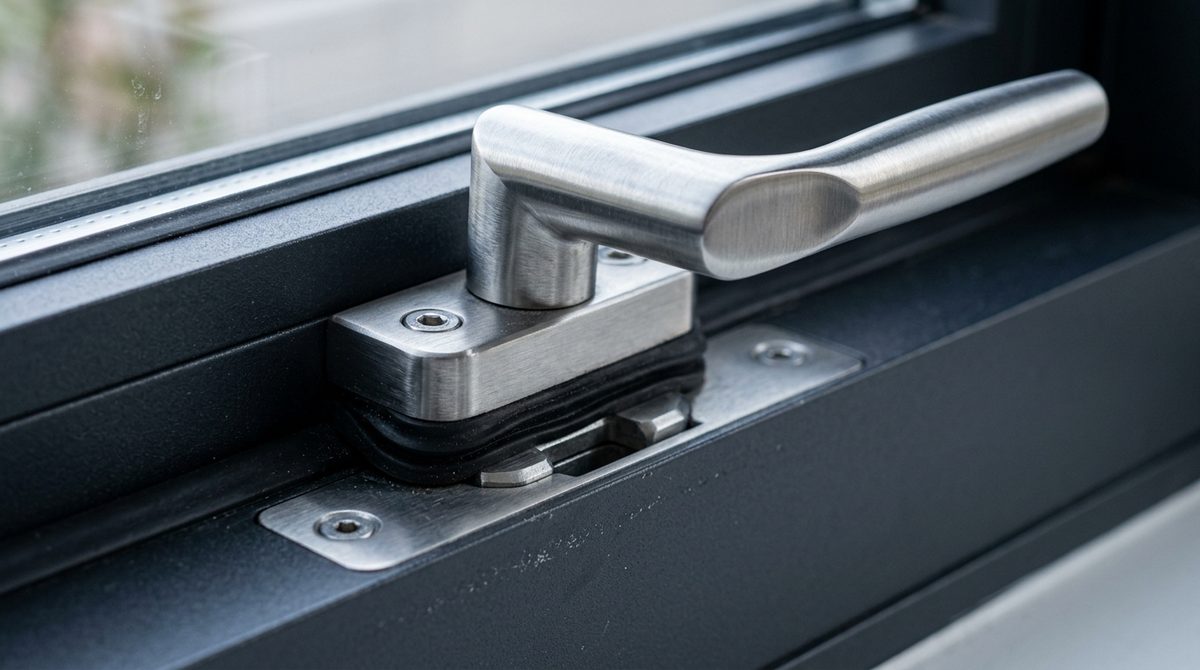
Hinges, rollers, cranks, and locks, for as long as you own the property. Adjustments in the first year are part of the job.
Flashing, sealing, and water tightness on anything our own crews set. If it leaks at the perimeter, it is ours to fix.
Warranty terms are illustrative and written for a fictional company.
What people tend to say once the scaffolding is gone and the first cold month has been and gone.
The back of the house used to be the room nobody sat in after October. We have not touched the thermostat once since the sliding wall went in.
Twelve windows out and twelve back in over two days, and the plaster looked like nothing had happened. That was the part I had not expected.
Quotations are illustrative and written for a fictional company.
The five questions that come up on nearly every measure appointment.
Tell us the project and a technician will schedule a measure. Estimates are itemized, fixed at signing, and honest about lead time.